
Fall Cleanup Guide: What to Do with Your Hydrangeas
Fall cleanup season is here, and one of the most common questions we hear from homeowners is:
“What do I do with my hydrangeas?”
Hydrangeas are a staple in so many gardens - beautiful, reliable, and full of seasonal charm. But knowing when (and how) to cut them back can be confusing, especially since not all types are treated the same way.
When it comes to timing your hydrangea pruning, there’s no single “right” choice -whether you cut them back in fall or spring is entirely up to you and your garden style.
Leaving the flower heads standing adds winter interest; those dried blooms look lovely dusted with snow and provide shelter for insects and small wildlife. It also helps protect the plant naturally through the colder months.
If you prefer a tidier look, cutting them back in fall is perfectly fine too. It keeps your garden neat through winter, means less work in spring, and can help prevent stem breakage from heavy snowfalls, especially on Panicle and Bigleaf hydrangeas.
Here’s a quick rundown on the different kinds of hydrangeas and how to cut them back.
Annabelle / Smooth Hydrangea (Hydrangea arborescens)

How to Identify
Annabelle hydrangeas have large, globe-shaped white (or pink) flower clusters on smooth green stems - think big white balls. The leaves are soft and matte, and the plant forms a rounded shape about 4–5 feet tall and wide. The blooms appear in early to mid-summer and fade to a soft tan by fall.
How They Grow
Annabelle hydrangeas flower on the new growth each year. That means you can cut them down in fall or spring, and next summer they’ll grow new stems - and new blooms will appear on those fresh stems.
How to Cut Them Back
Annabelles are the easiest to deal with in fall. You can cut them right down to 6–12 inches from the ground now or wait until spring - it won’t affect blooming.
If your plant is floppy from heavy blooms, leaving 12–18 inches of stem can help support the plant and give it a sturdier structure for next year.
Leaving the dried flower heads up through winter adds lovely texture and heavy snow won’t affect the stems since they grow back fresh each year.
Panicle Hydrangea (Hydrangea paniculata)

How to Identify
Panicle hydrangeas have cone-shaped flower clusters that start white and often turn pink or blush as they age. The stems are woody and upright, and varieties range widely in size. From compact 3-foot shrubs like Firelight Tidbit to 8-foot tree forms like Limelight Standard.
How They Grow
They also bloom on new wood, which makes them reliable bloomers every summer, even after a harsh winter.
How to Cut Them Back
If you are starting with a very small plant, leave it alone until it has had a chance to develop good body - just remove spent flowers.
For established plants, you can prune by about one-third of the total plant height. For example, if your panicle hydrangea is 6 feet tall, cut off roughly 2 feet from the top.
Leaving the blooms up for winter adds structure and interest, though heavy snow can occasionally bend or snap branches - especially on taller or tree-form panicles.
Bigleaf Hydrangea (Hydrangea macrophylla)
How to Identify
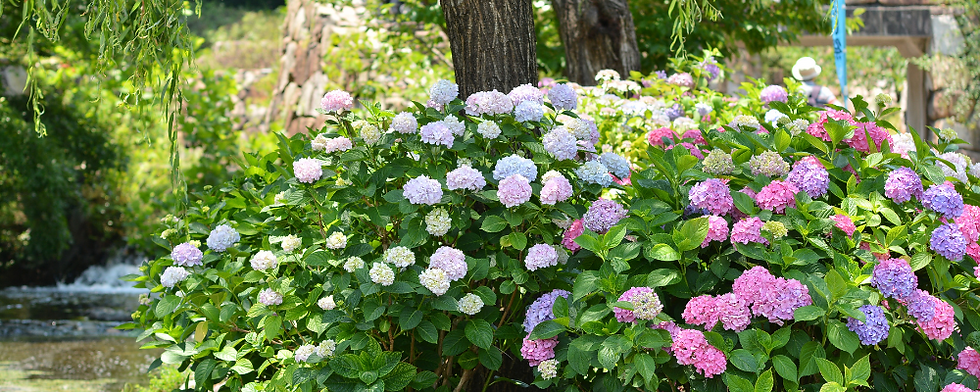
Bigleaf hydrangeas are the classic pink or blue mophead and lacecap types. They have large, glossy leaves and rounded or flat flower clusters. Most varieties grow 3–6 feet tall and wide, giving them a lush, full appearance.
One unique feature of Bigleaf hydrangeas is that flower color can change depending on soil pH. In acidic soil, the blooms turn blue, while in alkaline soil, they are pink. This makes Bigleaf hydrangeas the only common hydrangea type that can produce blue flowers in your garden.
How They Grow
Most varieties bloom on old wood (last year’s stems), though newer varieties like Endless Summer can bloom on both old and new growth.
How to Cut Them Back
A common mistake in the garden is cutting Bigleaf hydrangeas back too far. The challenge is that these hydrangeas bloom on old wood, which means the flower buds for the following year are already formed on this year’s stems. Removing the stems at this time also removes the buds, which can result in no blooms at all the next summer.
The proper way to cut them back is simple: remove only spent flowers and any dead or damaged stems. This keeps the plant tidy while ensuring that next year’s flower buds remain intact.
Keep in mind that Canadian winters can be harsh, and the buds are vulnerable to freeze-thaw cycles, which can reduce or eliminate flowering. To protect your hydrangea, consider loosely wrapping the plant in burlap or providing some winter shelter.
If you like, you can leave the dried flower heads standing through winter - they add winter interest and can provide some natural protection to the stems, helping to reduce direct exposure to snow and wind until spring.
Mountain Hydrangea (Hydrangea serrata)
How to Identify
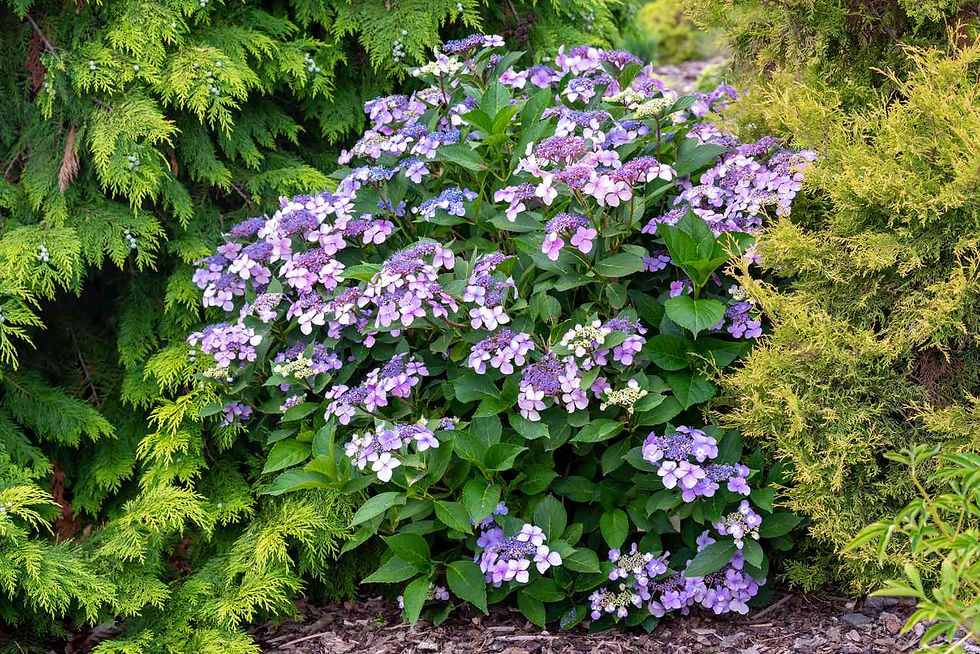
Mountain hydrangeas look like smaller, more delicate versions of Bigleaf hydrangeas. They have lacecap-style blooms, thinner stems, and smaller leaves, usually forming a compact mound about 2–4 feet tall and wide.
How They Grow
They bloom on old wood and are a bit more cold-hardy than Bigleaf types.
How to Cut Them Back
I’ll admit, I sometimes have a hard time distinguishing between Bigleaf and Mountain hydrangeas, but that’s okay — they’re treated the same when it comes to fall/spring pruning!
As mentioned above, simply remove spent flowers and any dead or damaged stems. You can leave the dried flowers standing through winter for winter interest, or remove them in spring - either choice works.
Final Thoughts
Fall cleanup for hydrangeas doesn’t have to be complicated, but knowing your hydrangea type is key.
Annabelle and Panicle hydrangeas bloom on new wood, so you can prune them hard in fall or wait until spring without affecting next year’s blooms.
Bigleaf and Mountain hydrangeas bloom on old wood, so avoid heavy fall pruning - just remove spent flowers and dead or damaged stems to protect next year’s buds.
Leaving dried flower heads standing through winter adds beautiful structure, winter interest, and some natural protection, but trimming them off is fine if you prefer a tidier look.
Whether you prune in fall or leave them standing until spring, the goal is to balance garden aesthetics with plant health. Following these tips will ensure your hydrangeas come back healthy and full of blooms next summer!


Comments